Administrator
Administrator

- Thread starter
- #1
Video Description:
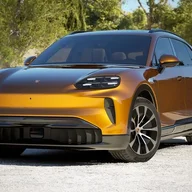
The Porsche Cayenne Electric's wireless charger is actually genius.
I was wrong about wireless charging - leave it to Porsche to prove that it's not only possible, it's logical too. Level 2 home charging with a wireless pad is fast, convenient, and efficient - in some cases, even better than wired charging. After having my questions answered by Porsche's engineers, I took to Spain's glorious driving roads to break down the current status on wireless charging, an option Porsche now offers with the new Cayenne Electric.
The video will discuss:
1. How efficient is wireless charging actually?
2. How does it compare to wired Level 1 & Level 2 charging?
3. How does wireless charging work?
4. What about unique scenarios?! A cat runs under the car while charging, or a person has a pacemaker? We'll break down the strategies Porsche has implemented with their charger.
In a future with autonomous cars, wireless charging could provide a real solution to the charging problem, which currently requires a human to plug the car in.
The Porsche Cayenne Electric's wireless charger is actually genius.
I was wrong about wireless charging - leave it to Porsche to prove that it's not only possible, it's logical too. Level 2 home charging with a wireless pad is fast, convenient, and efficient - in some cases, even better than wired charging. After having my questions answered by Porsche's engineers, I took to Spain's glorious driving roads to break down the current status on wireless charging, an option Porsche now offers with the new Cayenne Electric.
The video will discuss:
1. How efficient is wireless charging actually?
2. How does it compare to wired Level 1 & Level 2 charging?
3. How does wireless charging work?
4. What about unique scenarios?! A cat runs under the car while charging, or a person has a pacemaker? We'll break down the strategies Porsche has implemented with their charger.
In a future with autonomous cars, wireless charging could provide a real solution to the charging problem, which currently requires a human to plug the car in.